Piping plovers have returned again to nest at Second and Third beaches. Officials ask visitors to the beaches to use care and make sure not to disturb the "threatened" shorebirds. To volunteer to help, email maureen_durkin@fws.gov. #MiddletownRI
FOR IMMEDIATE RELEASE
CONTACT: Matt Sheley at (401) 842-6543 or msheley@middletownri.com
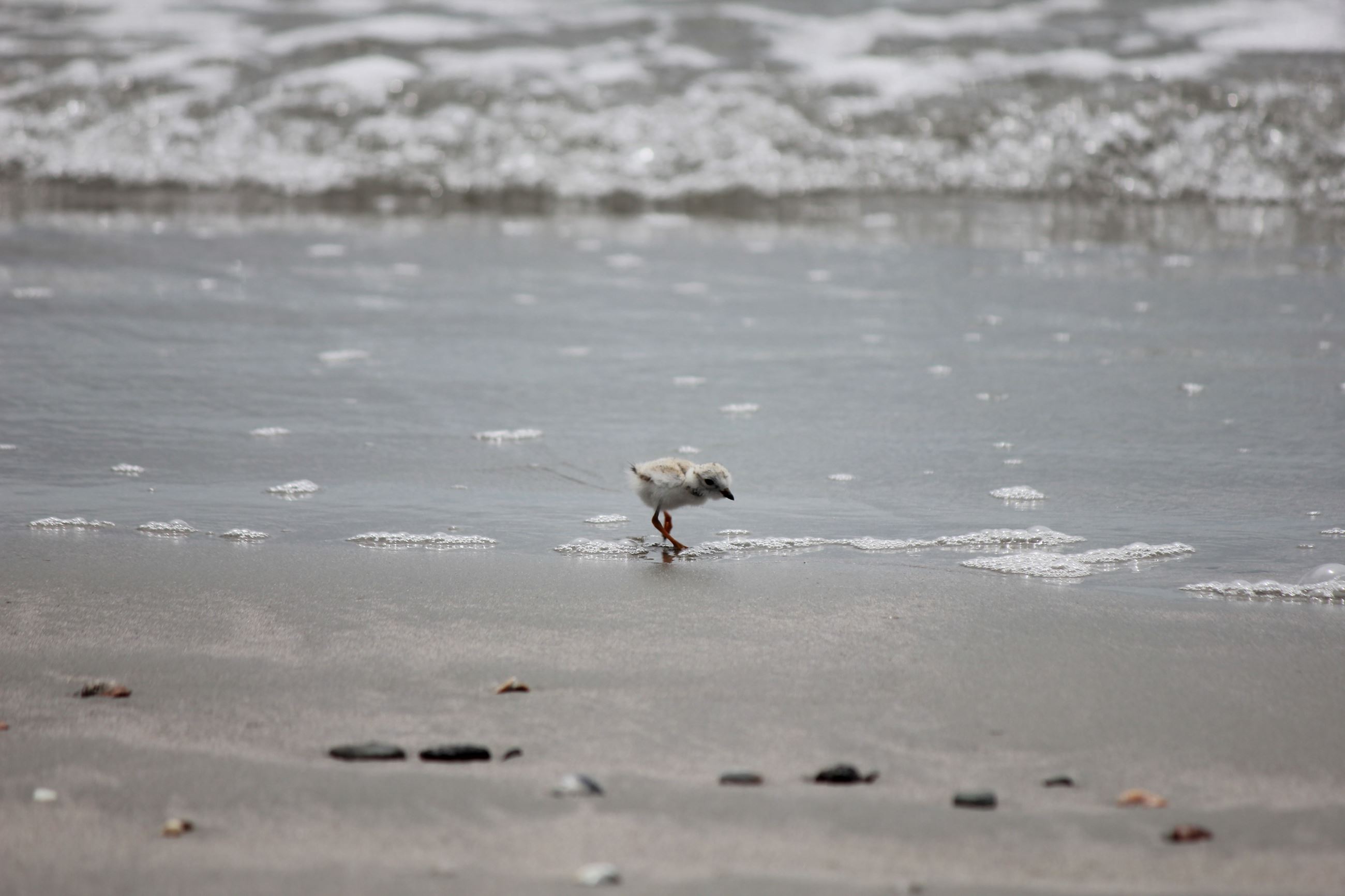
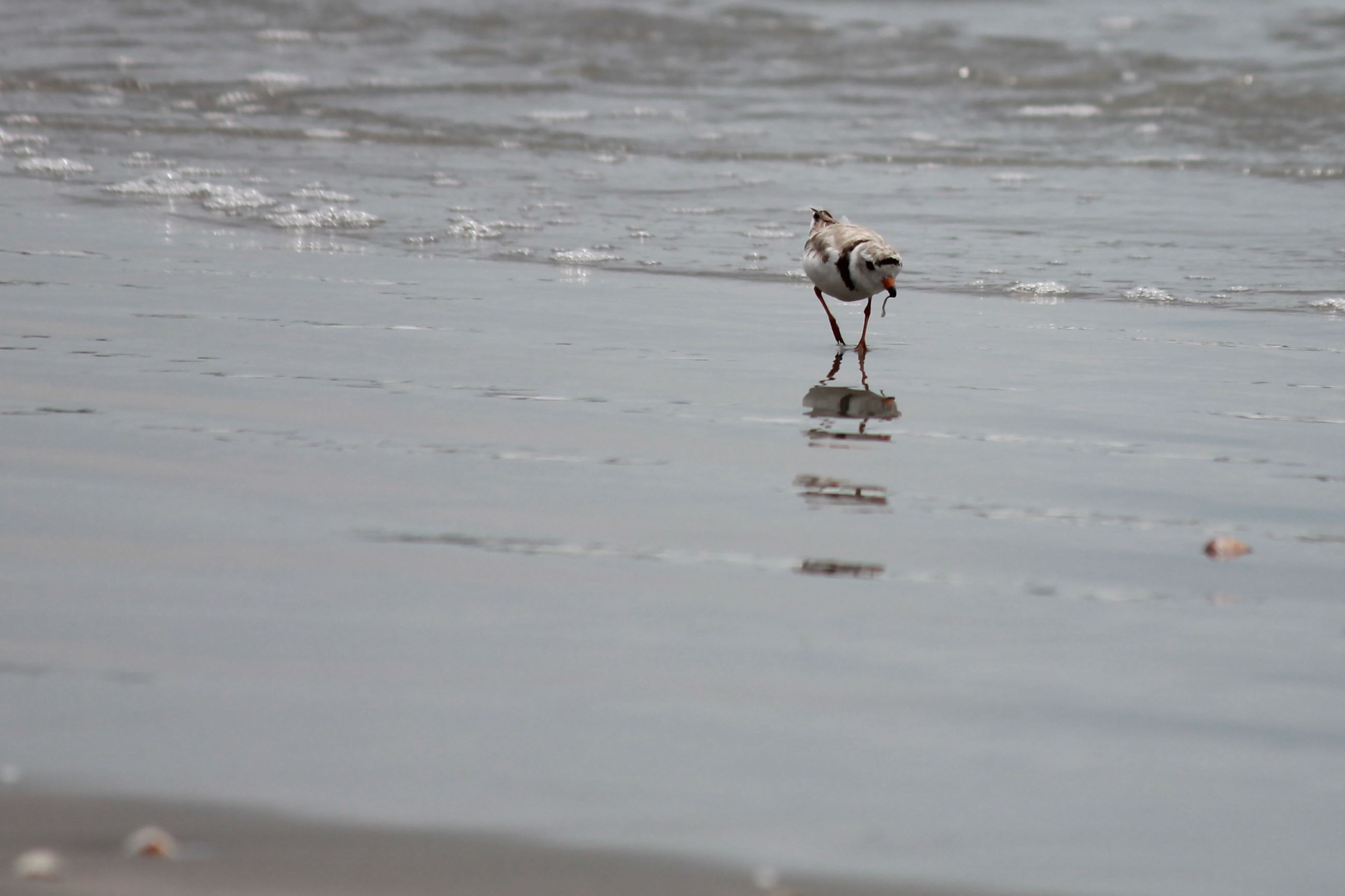
PIPING PLOVERS ARE BACK — 21 YEARS & COUNTING
MIDDLETOWN, R.I. (JUNE 13, 2022) – Second and Third beaches are hosting piping plovers for another year.
For the 21st consecutive season, the small shorebirds are making the beaches home — three pairs at Second Beach and two pairs at Third Beach.
U.S. Fish & Wildlife Service plover expert Maureen Durkin said visitors to both beaches are asked to use care because the birds and their chicks are extremely fragile and disturbances can impact their nesting.
“We don't give exact nest locations to the public for the safety of the birds, but the nests are inside the roped-signed nesting habitat on both beaches,” Durkin said. "Plovers make their nests in shallow scrapes in the sand-cobble, anywhere from the high tide line to the dune vegetation. You may also see large wire cages around some nests that are visible from the beach. These are called predator exclosures and prevent animals like coyotes and crows from eating the eggs, but allow the plovers to move freely in and out. We have had to use an exclosure on Third Beach this year because we've had issues with crows taking eggs.”
Durkin said the Fish & Wildlife Service is looking for volunteers to assist with monitoring the nests, answering questions from the public and other duties connected to the plovers.
Those interested in lending a hand were asked to email Durkin at maureen_durkin@fws.gov. People looking to help staff the visitors center at the Sachuest Point National Wildlife Refuge can contact janis_nepshinsky@fws.gov via email.
Almost hunted out of existence, there hadn’t been a confirmed sighting of a piping plover on Aquidneck Island for more than 50 years until 2001. That’s when plovers were spotted on the rocky southeastern part of Second Beach.
They’ve returned every year since, having more luck some years than others. Fish & Wildlife and the town have taken significant steps to protect plovers, which are considered as a “threatened” species in Rhode Island. That means if conservation efforts aren’t taken, the plover is likely to become endangered within all or much of its range.
“Piping plovers typically need unaltered coastal dunes and shoreline areas to lay eggs, raise young, and feed,” Darken said. "In New England, these type of areas are limited due to development and habitat loss, so it's important that we share the beach with them, and other wildlife, in areas where they nest. Plover nests are extremely well camouflaged on the ground and very easy for a person or dog to step on.”
The areas where plovers are nesting is typically ringed with bright line and has a number of signs warning visitors about their presence.
“They also need to incubate their eggs for about 28 days in order for them to hatch, and if people are too close, they will run off their nests, leaving the eggs exposed to the elements and predators,” Durkin said. “Similarly, plover chicks are mobile about 24 hours after hatch, and have to feed themselves at the waterline while being guarded by their parents. If disturbed by humans and pets, chicks are unable to feed. Dogs, particularly can cause severe disturbance to shorebirds. Dogs can chase and kill chicks and adults or step on nests.
“But, even dogs that are not chasing birds are perceived as predators — the birds cannot differentiate between a disinterested dog and a coyote. Adults will leave their nests and chicks to attempt to defend against dogs, which uses up valuable time and energy that adults need to spend incubating and chicks need to spend feeding. Humans and plovers can coexist and share the same beaches, it just takes a little care and patience on our part. If we give birds space by respecting roped areas and giving plover families space, and follow dog rules at the beach, plovers can successfully raise their young while we enjoy Middletown's beautiful beaches.”
Will Cronin, who oversees Middletown’s beaches, said it was good to hear the plovers had returned to the community for another season. He reminded beachgoers that all dogs must be leashed when visiting the beaches during the summertime hours of 5-7:45 am, partially to help protect the plovers.
“If these birds find our beaches attractive, it is good news for us. Biodiversity is important and a sign of a healthy environment,” Cronin said. “Town safety and maintenance vehicles don’t drive near the active nests without spotters until the chicks hatch and are able to fly and kitesurfing has been temporarily prohibited on Second Beach as well until US Fish & Wildlife gives us the green light to allow those activities.”
Durkin said the plovers start laying their eggs at the end of April. Depending on their success, they will continue to try to nest until mid- July. Chicks typically take a month to fledge — or fly. Adult plovers usually leave to fly south between July and mid-September, while first year birds will often hang around Rhode Island until August-October before heading south for the first time.
“The fact that plovers have made a comeback in Middletown says that they have been able to successfully nest and raise chicks here, and that the beaches here have good nesting habitat,” Durkin said.
“If plovers are successful at raising young, those young will often return to the same general area as adults to nest. Middletown/Sachuest has been one of the more successful areas in Rhode Island in terms of productivity, or the number of chicks fledged per pair, for the past several years. Even though there are a relatively small number of birds (four to five pairs), they have tended to successfully fledge chicks in recent years. It takes the support of the local community, and partnerships between the town, the refuge, and partners like Norman Bird Sanctuary to help make that happen.”
Document Link: https://www.middletownri.com/DocumentCenter/View/4985/nycu-plovers
####